
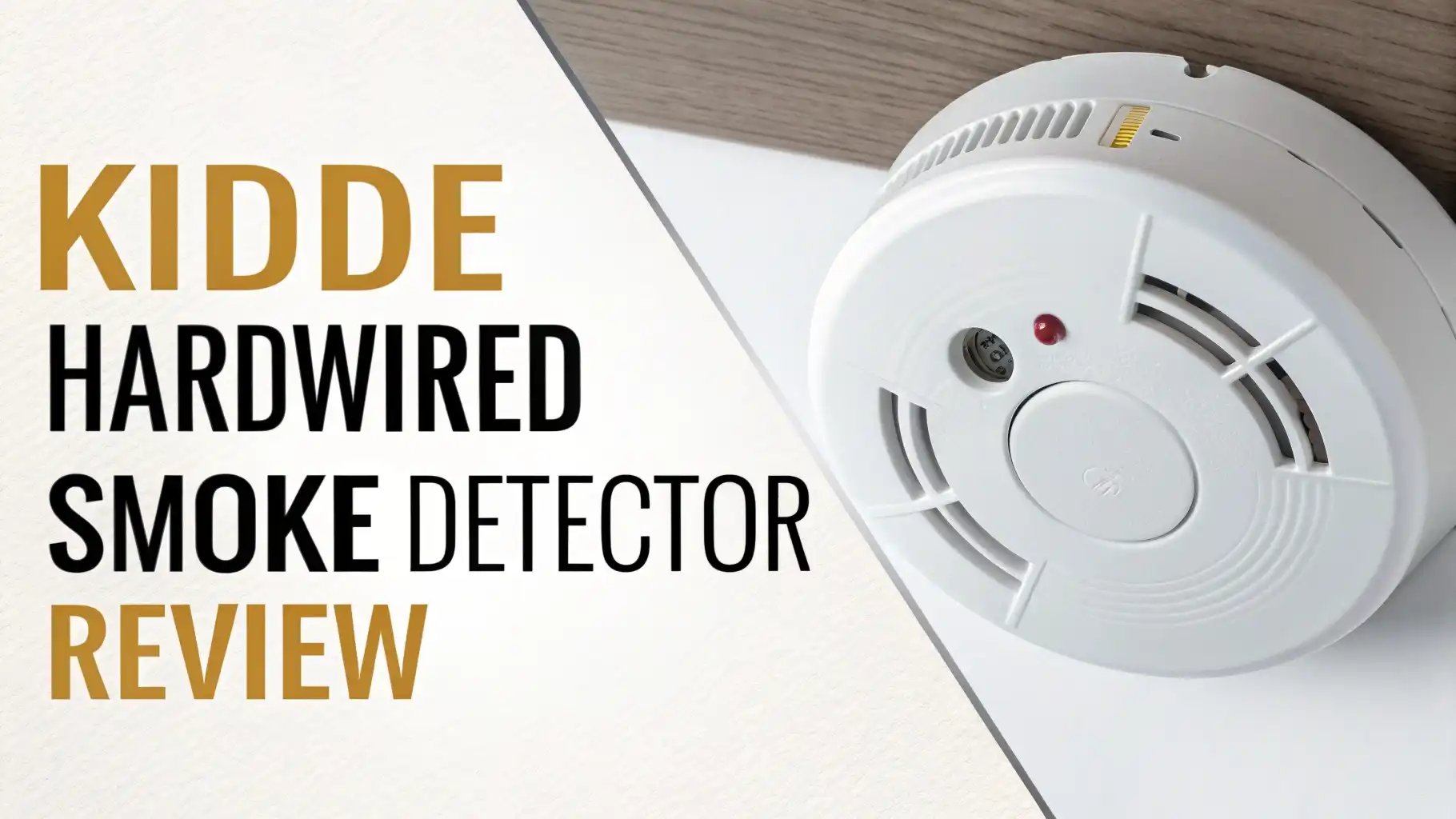
Kidde Hardwired Smoke Detector Review: Complete Buyer’s Guide
Your home safety deserves the best protection possible. Kidde has been a trusted name in fire safety for decades, and their hardwired smoke detectors continue to set the standard for reliable home protection.
These devices work around the clock to keep your family safe from fire hazards. If you’re searching for a dependable smoke detector that combines cutting edge technology with user friendly features, you’ve landed in the right place.
This complete review will walk you through everything you need to know about Kidde hardwired smoke detectors, helping you make the smartest choice for your home.
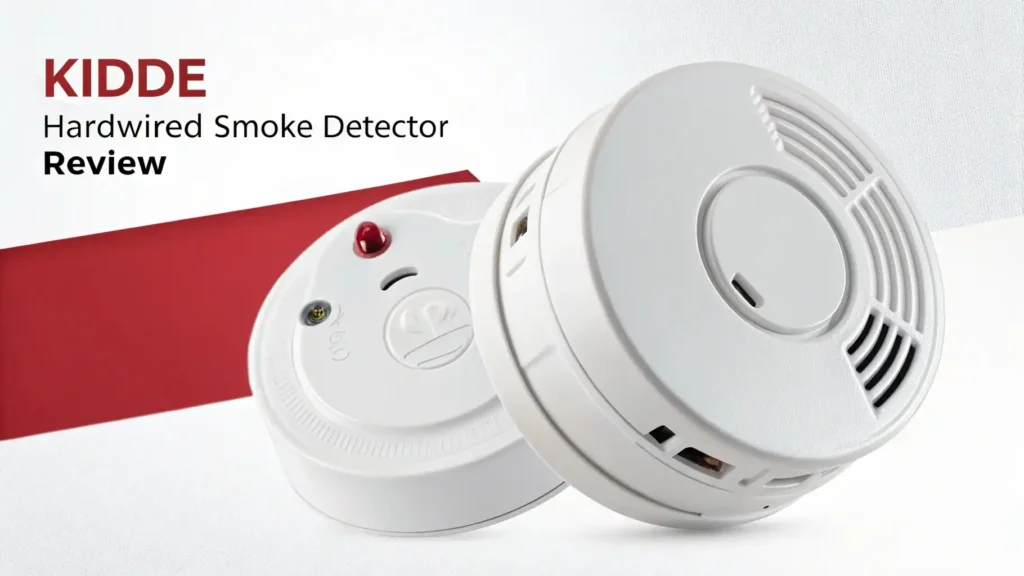
Key Takeaways
- Reliable Power System: Kidde hardwired detectors connect directly to your home’s electrical system and include battery backup options (either 10-year sealed lithium or replaceable AA batteries), ensuring continuous protection even during power outages.
- Advanced Photoelectric Sensing: Most modern Kidde models use photoelectric sensor technology that excels at detecting slow smoldering fires while reducing false alarms from cooking smoke, making them ideal for kitchen adjacent areas.
- Interconnectable Protection: These alarms can link together throughout your home, so when one detector senses danger, all connected units sound simultaneously, giving your family maximum warning time to evacuate safely.
- Low Maintenance Design: Models with 10-year sealed batteries eliminate the hassle of frequent battery changes, saving you approximately $40 over the detector’s lifetime while ensuring you never hear annoying low battery chirps.
- Dual Detection Options: Kidde offers combination units that detect both smoke and carbon monoxide in a single device, providing comprehensive protection against two deadly home hazards while saving installation space and costs.

Understanding Kidde Hardwired Smoke Detector Technology
Kidde hardwired smoke detectors represent a significant advancement in home fire safety. These devices connect directly to your home’s 120V electrical system. This connection provides constant power without relying solely on batteries.
The hardwired design ensures your detectors stay active 24/7. Most models include battery backup systems that activate during power outages. This dual power approach gives you maximum reliability when you need it most.
The technology behind these detectors has evolved considerably. Modern Kidde units use photoelectric sensors that detect visible smoke particles. These sensors work by shining a light beam into a sensing chamber.
When smoke enters the chamber, it scatters the light beam toward a sensor, triggering the alarm. This technology proves especially effective at detecting slow burning, smoldering fires that produce significant smoke before flames appear.
Kidde 20SA10 Hardwired Smoke Detector with 10 Year Battery
The Kidde 20SA10 stands as one of the most popular hardwired smoke detectors on the market today.
This model combines reliable hardwired power with a 10-year sealed lithium battery backup. You won’t need to change batteries for an entire decade. The photoelectric sensor provides excellent detection capabilities while minimizing false alarms from cooking activities.
This detector features an 85-decibel alarm that sounds loud and clear throughout your home. The LED indicator lights show you the unit’s operational status at a glance. Green means everything works properly, while red flashing indicates smoke detection.
The interconnectable design allows you to link up to 24 Kidde devices together. When one alarm detects smoke, all connected alarms sound simultaneously. This feature proves invaluable in larger homes where a single alarm might not reach every room.
Installation takes minimal effort thanks to the quick-connect wiring harness. The unit mounts easily to standard electrical boxes. Enhanced sensing technology reduces nuisance alarms often triggered by cooking or shower steam. The 20SA10 operates effectively in temperatures ranging from 40°F to 100°F and humidity levels up to 95%.
Kidde 20SAR Hardwired Smoke Detector with AA Battery Backup

The Kidde 20SAR offers similar features to the 20SA10 but uses replaceable AA batteries for backup power instead of a sealed lithium battery.
This model appeals to homeowners who prefer the flexibility of changing batteries themselves. The photoelectric sensor technology remains identical, providing the same excellent smoke detection capabilities.
Two AA batteries provide reliable backup power during electrical outages. You should replace these batteries every six months or when the low battery warning chirps.
The unit alerts you with a distinct chirping sound when battery replacement becomes necessary. This cost-effective option typically sells for slightly less than sealed battery models.
The 20SAR maintains the same 85-decibel alarm volume and interconnectable functionality as other Kidde hardwired models. The LED warning lights operate identically, with green indicating normal operation and red flashing during smoke detection.
This detector works perfectly in bedrooms, hallways, living rooms, and basements. The photoelectric sensor reduces false alarms while maintaining high sensitivity to actual fire threats.
Top 3 Alternatives for Kidde Hardwired Smoke Detector


Kidde Hardwired Smoke and Carbon Monoxide Combo Detector
Kidde takes home protection to the next level with their combination smoke and carbon monoxide detectors. These 2-in-1 units provide comprehensive protection against two deadly threats.
The dual sensor system includes a photoelectric smoke sensor and an electrochemical CO sensor. This combination saves space and reduces the number of devices you need to install.
The combo detector features voice alert technology that announces the specific danger detected. When smoke triggers the alarm, a voice clearly states “Fire! Fire!” If carbon monoxide reaches dangerous levels, the voice announces “Warning! Carbon Monoxide!” This verbal warning helps you respond appropriately to different emergencies. The LED lights also display different colors for each threat type.
These combination units typically cost more than smoke-only detectors, but they provide significantly greater protection value. You eliminate the need for separate CO detectors throughout your home.
The hardwired design with 10-year battery backup ensures both protection systems remain operational at all times. Installation follows the same simple process as standard smoke detectors.
Installation Process and Requirements
Installing Kidde hardwired smoke detectors requires basic electrical knowledge and tools. You’ll need a screwdriver, wire strippers, voltage tester, and mounting hardware (usually included). Always turn off power at the circuit breaker before beginning any electrical work. Safety should remain your top priority during installation.
Start by selecting appropriate locations for your detectors. Install one detector inside each bedroom and in hallways outside sleeping areas.
Place additional detectors on every level of your home, including the basement. Mount units on ceilings or high on walls, as smoke rises. Keep detectors at least 10 feet away from cooking appliances to reduce false alarms.
Connect the detector’s wiring harness to your home’s electrical wiring following the manufacturer’s instructions. White wires connect to white (neutral), black wires connect to black (hot), and the yellow wire connects to other yellow wires for interconnection. Secure all connections with wire nuts.
Mount the detector base to the electrical box, then attach the detector body by twisting it into place. Restore power and test the unit by pressing the test button.
Photoelectric vs Ionization Sensors
Understanding sensor types helps you choose the right smoke detector for your needs. Photoelectric sensors detect visible smoke particles from slow burning, smoldering fires.
These fires typically start in upholstered furniture, mattresses, or electrical wiring. Photoelectric technology responds faster to these common household fires. It also produces fewer false alarms from cooking smoke or steam.
Ionization sensors respond more quickly to fast flaming fires with invisible particles. These fires might start from paper, grease, or flammable liquids. Ionization detectors use a small amount of radioactive material to detect smoke particles. While effective for certain fire types, they trigger false alarms more frequently from cooking activities.
Kidde primarily uses photoelectric sensors in their current hardwired detector lineup. Fire safety experts and organizations like the NFPA recommend photoelectric sensors for most residential applications.
These sensors provide excellent overall protection while minimizing the frustration of false alarms. Some Kidde models offer dual sensor technology, combining both photoelectric and ionization sensing for maximum protection.
Interconnection Benefits for Complete Home Protection
The interconnection feature transforms individual smoke detectors into a comprehensive home safety network. When you interconnect Kidde hardwired detectors, they communicate with each other through your home’s electrical wiring.
One triggered alarm activates all connected alarms throughout your home simultaneously. This synchronized response dramatically increases your family’s warning time.
Consider a fire starting in your basement while everyone sleeps upstairs. A standalone basement detector might not sound loud enough to wake sleeping family members.
With interconnected detectors, the alarm in your basement triggers every detector in your home. Bedroom detectors sound at full volume, ensuring everyone wakes up immediately. These precious extra seconds can mean the difference between safe evacuation and tragedy.
Kidde hardwired detectors can interconnect with up to 24 devices on the same circuit. You can mix smoke-only detectors with smoke and carbon monoxide combination units.
This flexibility allows you to customize your home’s protection system. The interconnection feature adds minimal cost but provides enormous safety benefits. Professional fire safety experts strongly recommend interconnected detectors for all homes.
Maintenance and Testing Recommendations
Regular maintenance ensures your Kidde hardwired smoke detectors function properly when needed.
Test your detectors monthly by pressing and holding the test button until the alarm sounds. This simple check verifies the alarm, sensors, and power supply work correctly. Make testing part of your monthly household routine, perhaps on the first day of each month.
Clean your detectors every six months to prevent dust and debris from interfering with sensor operation. Use a vacuum cleaner with a soft brush attachment to gently remove dust from the detector vents. Avoid using cleaning chemicals or water on your detectors. Dust accumulation can cause false alarms or prevent proper smoke detection.
Replace the entire detector unit every 10 years, even if it appears to function properly. Sensors degrade over time, reducing detection effectiveness. Kidde detectors include an end-of-life warning that chirps to alert you when replacement time arrives.
Keep installation dates recorded so you remember when replacement becomes necessary. For models with replaceable batteries, change batteries every six months or immediately when low battery warnings sound.
Smart Features and Modern Conveniences
Modern Kidde hardwired detectors include several convenient features that enhance usability. LED indicator lights provide constant visual feedback about detector status.
A solid green light confirms normal operation, while a flashing red light indicates smoke detection. Some models include separate indicators for smoke, CO, and power status.
Voice alert capability represents a significant advancement in detector technology. Instead of relying solely on alarm patterns, voice announcements clearly communicate the specific danger detected.
This feature proves especially helpful during emergencies when quick, appropriate responses matter most. Voice alerts also help distinguish between smoke alarms and carbon monoxide warnings.
The hush feature allows you to temporarily silence nuisance alarms caused by cooking or steam. Press the test/hush button to silence the alarm for several minutes. This convenience prevents you from disconnecting detectors in frustration.
The detector automatically resets and resumes full sensitivity after the hush period expires. Never ignore alarm signals without investigating the cause first.
Cost Considerations and Value Analysis
Kidde hardwired smoke detectors offer excellent value for your home safety investment. Individual units typically cost between $30 and $70, depending on features and capabilities.
Combination smoke and carbon monoxide detectors cost more than smoke-only models. Units with 10-year sealed batteries cost slightly more upfront but save money long-term by eliminating battery replacement costs.
Consider the total cost of ownership when evaluating detector options. A detector with replaceable batteries costs less initially but requires new batteries twice yearly for 10 years.
Those battery purchases add up to approximately $40 or more over the detector’s lifetime. Models with sealed 10-year batteries eliminate this ongoing expense. The higher initial cost pays for itself through convenience and savings.
Installation costs vary depending on your electrical skills and existing home wiring. If your home already has hardwired detector wiring in place, replacing old units with new Kidde detectors requires minimal effort and cost.
New installations in homes without existing wiring may require professional electrician assistance. Get quotes from licensed electricians to understand installation costs in your area.
Common Issues and Troubleshooting Tips
Even reliable Kidde detectors occasionally experience issues requiring troubleshooting. False alarms represent the most common complaint.
Cooking smoke, steam from bathrooms, or dust accumulation typically causes these nuisance alarms. Install detectors away from kitchens and bathrooms when possible. Clean detectors regularly to prevent dust-related false alarms.
Chirping sounds usually indicate low battery power or end-of-life warnings. For models with replaceable batteries, install fresh batteries when chirping starts.
If chirping continues with new batteries, the detector likely reached its 10-year replacement age. Models with sealed batteries chirp when the entire unit needs replacement. Never ignore chirping alarms, as they indicate important maintenance needs.
If your detector fails to sound during testing, check several potential causes. Verify power connections remain secure and circuit breakers haven’t tripped.
Ensure batteries are properly installed with correct polarity. Press the test button firmly for several seconds. If the detector still doesn’t respond, it may have failed and requires immediate replacement. Never leave non-functioning detectors installed.
Building Code Requirements and Compliance
Understanding local building codes ensures your smoke detector installation meets legal requirements. Most jurisdictions require hardwired smoke detectors with battery backup in new home construction and major renovations.
Specific placement requirements vary by location, but general standards apply nationwide. Check with your local building department for exact requirements in your area.
The National Fire Protection Association (NFPA) recommends installing smoke alarms inside each bedroom, outside sleeping areas, and on every level of your home including basements. Interconnected alarms provide the highest level of protection.
Many jurisdictions now require combination smoke and carbon monoxide detectors in new construction. These requirements recognize the dual threat both hazards pose to home safety.
Rental property owners face specific legal obligations regarding smoke detector installation and maintenance. Most states require landlords to install working smoke detectors before new tenants move in.
Some jurisdictions mandate hardwired detectors in rental properties. Verify your legal responsibilities if you own rental property. Proper detector installation protects both tenants and property owners from liability.
Comparing Kidde to Competitor Brands
Kidde competes with several other major smoke detector manufacturers including First Alert, Nest, and Ring. Each brand offers unique features and benefits.
First Alert (also sold under the BRK brand name) produces quality hardwired detectors comparable to Kidde models. First Alert units typically cost slightly less but offer similar features and reliability. Both brands have established excellent reputations in the fire safety industry.
Smart smoke detectors from Nest and Ring provide Wi-Fi connectivity and smartphone notifications. These advanced features appeal to tech-savvy homeowners who want remote monitoring capabilities.
However, smart detectors cost significantly more than traditional hardwired models. They also require Wi-Fi connectivity to function properly. Traditional Kidde hardwired detectors provide reliable protection without depending on internet connectivity or smartphone apps.
Consumer Reports consistently rates Kidde and First Alert hardwired detectors highly for reliability and performance. Both brands meet or exceed industry safety standards.
Your choice between brands often comes down to specific feature preferences, price comparisons, and availability in your area. Kidde’s extensive product line offers options for virtually every home and budget.
Why Choose Kidde Hardwired Smoke Detectors
Kidde hardwired smoke detectors deliver reliable, time-tested protection for your home and family. The combination of hardwired power with battery backup ensures continuous operation regardless of electrical conditions.
Photoelectric sensor technology provides excellent smoke detection while minimizing false alarms. Interconnection capabilities create a comprehensive whole-home alarm system that responds instantly to threats anywhere in your house.
The 10-year sealed battery option eliminates maintenance hassles and saves money over the detector’s lifetime. Voice alert features clearly communicate specific dangers, helping family members respond appropriately during emergencies.
LED indicators provide constant visual confirmation of proper operation. These thoughtful features demonstrate Kidde’s commitment to user-friendly design without compromising safety effectiveness.
Building a complete home fire safety system with Kidde hardwired detectors represents one of the smartest investments you can make. These affordable devices provide invaluable protection against fire and carbon monoxide threats.
Regular testing and maintenance ensure your detectors remain ready to alert your family when danger strikes. Don’t wait until disaster strikes to upgrade your home’s smoke detection system.
Frequently Asked Questions
How often should I replace my Kidde hardwired smoke detector?
You should replace your entire Kidde hardwired smoke detector every 10 years from the installation date. Sensors degrade over time, reducing detection effectiveness even when the unit appears to work normally. Most Kidde detectors include an automatic end-of-life alert that chirps when replacement time arrives. Keep records of installation dates to track when replacement becomes necessary.
Can I interconnect Kidde smoke detectors with other brands?
Generally, you cannot interconnect Kidde detectors with other brands due to different communication protocols and wiring standards. Kidde hardwired detectors interconnect reliably with other Kidde models but may not communicate properly with First Alert or other manufacturer’s units. For reliable interconnection, use detectors from the same brand throughout your home.
What causes my Kidde detector to beep randomly?
Random chirping typically indicates low battery power in models with replaceable batteries. Change the batteries immediately when chirping starts. If chirping continues with fresh batteries, the detector may have reached its 10-year replacement age. Dust accumulation or environmental factors like extreme temperatures can also trigger chirping. Clean the detector and ensure proper operating conditions.
Do hardwired smoke detectors work during power outages?
Yes, Kidde hardwired smoke detectors continue working during power outages thanks to their battery backup systems. Models with 10-year sealed lithium batteries provide reliable backup power for the detector’s entire lifespan. Units with replaceable AA batteries offer backup protection as long as batteries remain fresh. Always ensure backup batteries are properly installed and functional.
Where should I install Kidde hardwired smoke detectors in my home?
Install Kidde hardwired detectors inside each bedroom, in hallways outside sleeping areas, and on every level of your home including the basement. Mount detectors on ceilings or high on walls since smoke rises. Keep detectors at least 10 feet away from cooking appliances to reduce false alarms. Follow NFPA guidelines and local building codes for specific placement requirements in your jurisdiction.