KZ AS24 Pro IEM Review: 24-Driver Sound, Tuning, and Fit Tested
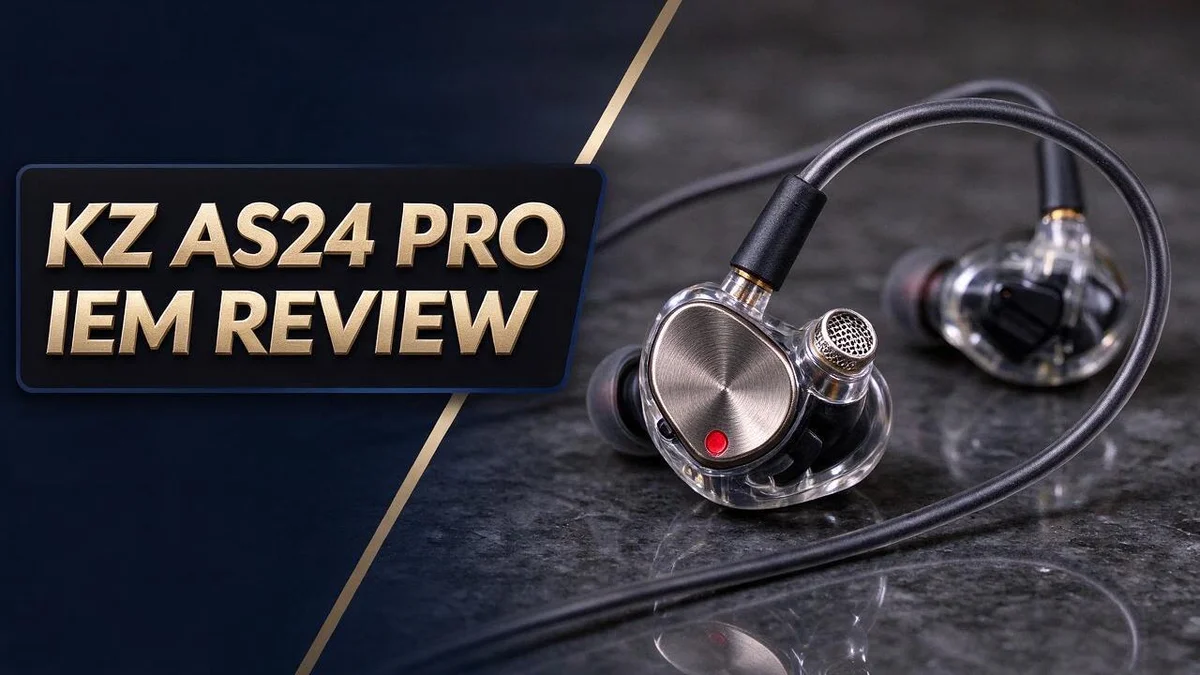
Looking for an in-ear monitor that does it all? The KZ AS24 Pro might be your next pick. It packs 24 balanced armature drivers, twelve per side, into one set.
Many listeners say the bass hits fast and clean. The mids sound clear, and the treble shows plenty of detail. Gamers and music fans both use it.
Here is the catch. Some users find the bass a little light without EQ. Tuning also changes the sound in subtle ways, so you need patience to find your sweet spot.
In this guide, we break down the key facts. You will also see how it compares with the KZ AS16 and TRN X6. Let’s dive in.
In a Nutshell
- Driver count: The AS24 Pro uses 24 balanced armature drivers, with 12 on each side for a full stereo setup.
- Tuning switches: Sources disagree on the switch count. Some list four positions, while others report eight switches.
- Sound shifts: Small tuning changes can alter the sound. Spend time testing each setting to find the one that suits your taste.
- Bass debate: One listener found the bass lacking without EQ. Another source calls the tuning V shaped and bass heavy, so your own ears will decide.
- Music and gaming: This IEM fits both listening and gaming. Many people praise its clear mids, detailed treble, and strong imaging.
- Similar models: The KZ AS16 sounds very similar, while the TRN X6 offers a multi BA comparison. Musicians also mention the KZ Sonata.
Driver Architecture and Build

Last update on 2026-10-31 / Affiliate links / Images from Amazon Product Advertising API Some of the links on this website are affiliate links, which means that at no additional cost to you, I earn a commission if you click through and make a purchase. I only recommend products and services that I believe will add value to my readers. Thank you for your support!
Inside each shell, balanced armature drivers do the heavy lifting. Each driver handles a narrow slice of sound. This split helps the earphone sort audio cleanly.
Many people expect one driver to cover everything. Instead, the AS24 Pro spreads the work across many units. That approach aims for clarity and clean separation between instruments.
Think of the drivers as a team. Some focus on deep notes while others handle vocals and fine detail. Each member plays a clear role.
The housing matters too. A compact shell helps the earphone sit comfortably during long sessions. Comfort shapes how much you enjoy daily use.
Build quality often shows in small details. Smooth seams, solid faceplates, and neat connections signal careful production.
The nozzle carries sound into the ear canal. Its length and shape change how the treble and mids feel. Ear tips matter as much as the nozzle.
Ear tips create the seal. A good seal keeps bass present and outside noise low. Try a few sizes to find your best match.
Cable quality also shapes daily use. A flexible cable reduces tangles during walks or workouts.
Vents in some designs help balance air pressure inside the shell. This can reduce a stuffy or boomy feel.
Weight matters during long listening sessions. A lighter shell feels less tiring on commutes. Lighter designs also suit side sleepers.
Durability depends on materials and assembly. Well made drivers hold their tuning over time. Gentle handling protects the internal parts.
Fit tip: rotate the earphone gently until it sits flush. A snug fit improves both comfort and sound.
Overall, the build supports the sound goals. The driver setup and shell work together. This pairing helps the AS24 Pro feel focused and tidy.
Strong construction also helps the earphone last through daily wear. Careful storage in a case protects the shell from drops and pressure. A simple habit can extend the life of your earphones.
Cleaning the nozzle after use keeps sound clear. A soft dry cloth works well for most debris.
Sound Signature and Tuning
Sound signature is the mix of bass, mids, and treble that reaches your ears. With the KZ AS24 Pro, that mix feels fairly even. Each instrument and voice has room to breathe.
Treat the tuning as a starting point. You can shape the result to match your taste. Test each setting with the same song so the change is easy to notice.
Try a familiar track first. Pick a song you know well. Your ears can spot shifts in vocals and cymbals much faster that way.
Genre matters a lot. Rock and electronic music show off the low end. Acoustic folk and jazz highlight the midrange. Podcasts and films rely on clear speech.
Listening volume also changes the picture. At low volume, the mids may sound thin. At higher volume, the bass can feel more present. Keep your level steady when you compare settings.
Treble deserves special attention. Bright cymbals can sound sharp when the volume climbs. Lower the level a little and listen again. Your ears will thank you after long sessions.
Imaging is another angle worth checking. Close your eyes and listen for where each sound sits. Left and right placement should feel clear, and voices should sit in a stable center.
Gaming adds another layer. Footsteps and gunshots need crisp treble to cut through the mix. Many players like a slightly forward presentation for quick positional cues.
Source quality also shapes the final sound. A phone with weak output may sound flat. A dedicated player or dongle can reveal more detail and control.
Fatigue is a real concern. Harsh peaks can tire you within an hour. If that happens, switch to a gentler setting and take short breaks.
Take notes as you go. Write down which setting feels warm, bright, or smooth. Over a few days, patterns appear and the choice gets easier. Compare two or three settings only. Too many options can blur your memory of the sound.
Your own ears make the final call. Hearing differs from person to person. Spend time with each setting, and trust what feels natural to you.
Fit, Comfort and Isolation
Comfort starts with the shape of the shell. A good shape rests in your ear without pressing on the outer ridges.
Start with your ear shape. Some people have small ears, while others have wider bowls. Each type needs a different angle to sit well. A shell that suits one person can feel off for another.
Isolation depends on how well the shell blocks outside noise. On a busy bus, a snug fit helps the rumble fade into the background.
Noisy places tell the real story. Try the earphones on a train or in a cafe. You can hear how much background sound still slips through.
Gaming brings a different comfort test. Long matches keep the shell in place for hours, so small pressure points can grow over time. Keep sessions short at first.
Pay attention to the spot that touches your ear first. That contact point often shows whether the fit will last through a full session.
Glasses wearers may notice a change. Frame arms can push against the cable and nudge the shell out of place. Route the cable behind your ear to keep the fit steady.
Movement changes the fit. Jogging, talking, or chewing can loosen the shell a little. Walk around for a few minutes before you settle in.
Pressure can build slowly during a long day. Take a short break now and then so your ears can relax and reset.
Sound leakage can also hint at fit. If bass fades when you turn your head, the seal may be shifting, so adjust the shell before you judge the tuning.
Try a simple fit check. Shake your head gently, then listen for loose bass or shifting highs. A stable fit keeps the sound steady from start to finish.
Your comfort level is personal. Test different positions, rest often, and note what feels right. A little patience usually leads to the best result.
Top 3 Alternatives
If you want other options with a different sound, these three picks are worth a look. Each one offers its own tuning style and feel.
KZ ZS10 Pro

Last update on 2026-10-31 / Affiliate links / Images from Amazon Product Advertising API Some of the links on this website are affiliate links, which means that at no additional cost to you, I earn a commission if you click through and make a purchase. I only recommend products and services that I believe will add value to my readers. Thank you for your support!
The KZ ZS10 Pro offers a lot of sound for its size. It uses a hybrid setup that mixes dynamic and balanced armature drivers. Bass feels punchy, while vocals stay clear and detailed. The tuning feels fun, yet it still sounds balanced. Many listeners also enjoy its wide stage and easy fit for long listening sessions.
Moondrop Chu

Last update on 2026-10-31 / Affiliate links / Images from Amazon Product Advertising API Some of the links on this website are affiliate links, which means that at no additional cost to you, I earn a commission if you click through and make a purchase. I only recommend products and services that I believe will add value to my readers. Thank you for your support!
The Moondrop Chu takes a simpler route. It relies on one dynamic driver, which keeps the sound smooth and natural. Many people pick it for its warm tone and relaxed feel. It suits acoustic music, podcasts, and casual listening. It also needs little power, so it works well with phones and small players. Its compact shell feels comfortable for most ears.
CCA C10

Last update on 2026-10-31 / Affiliate links / Images from Amazon Product Advertising API Some of the links on this website are affiliate links, which means that at no additional cost to you, I earn a commission if you click through and make a purchase. I only recommend products and services that I believe will add value to my readers. Thank you for your support!
The CCA C10 brings a bold and fun sound. It blends dynamic and balanced armature drivers for a lively mix. Treble sparkles without feeling harsh. Bass hits with good energy, so pop and electronic tracks sound exciting. Its sound stays lively even during long playlists. It fits listeners who want more energy from every song.
Each option brings something different to the table. Pick the one that matches your music taste and listening habits. Try a few before you decide, and trust your own ears.
Music and Gaming Performance
The KZ AS24 Pro can handle both music and games. Many users rely on it for daily listening and late night play.
Music fans often praise the clean mids. Vocals and guitars sound clear and easy to follow.
The bass feels fast and tight. Drum hits arrive quickly, so the rhythm stays easy to track.
Some listeners find the bass lacking without EQ. Others describe the tuning as bass heavy, so results may differ.
A small EQ change can help fill any gap. Try a gentle boost in the low range first.
The KZ AS16 sounds very similar, so it works as a close reference. The TRN X6 offers another multi BA comparison.
Gaming needs clear direction above all else. Footsteps and gunfire should seem to come from the right spot.
The AS24 Pro aims for precise positioning in busy scenes. Its detailed treble helps small sounds stand out.
Story games reward clear dialogue. Quiet voices and soft footsteps stand out when the mids stay clean.
Action games test the bass in a different way. Explosions and engine rumbles can feel punchy, though some tracks may sound thin.
The manufacturer claims benchmark level full range output. That claim sounds promising, but your own tests matter most.
Podcasts and streams also suit this earphone. Voices sound natural, which helps long gaming chats feel clear.
Think about your main use first. Gamers should test footsteps and bass hits. Music lovers should test vocals and layered songs.
Tuning switches shape the final sound in small steps. Reports disagree on how many switches the unit has, so check your model.
Change one setting at a time and note each result. This method makes the best match easier to spot.
Some gamers prefer a slight bass lift during racing or action games. Others keep the tuning flat for a more natural feel.
Competitive players should also check how the sound feels in quick matches. Clear highs and tight bass can make a real difference.
The AS24 Pro suits listeners who enjoy both genres. It shines when you switch between a playlist and a game.
Pros and Cons
Pros
- Claimed benchmark-level balanced output across the full range
- Mature and flexible sound that suits many different genres
- Fine micro-detail shows up in quiet passages
- Tuning switches let you shape the sound to your taste
- Works well for both casual listening and focused sessions
Cons
- Reviews disagree on how many tuning switches it has
- Each tuning change shifts the sound a little, so setup takes time
- Few direct reviews of the Pro itself exist
- The KZ Sonata comparison has almost no details yet
Who Should Buy It
The KZ AS24 Pro suits a specific kind of listener. It rewards people who enjoy shaping their sound. Here is who will likely love it and who may want to look elsewhere.
Tinkerers get the most out of it. If you enjoy small adjustments, the switches become a playground. Each new setting can reveal a different side of your favorite songs.
Patient listeners often find a favorite setup after several tries. Treat the first session as a test drive rather than a final verdict. Keep short notes on what sounds best with each album.
Podcast and audiobook fans form another good group. Spoken words need a steady and clear presentation. Long episodes can feel more pleasant when every word stays easy to follow.
Listeners moving up from basic earphones may notice better separation between instruments. Busy songs often show the difference most clearly. A small upgrade like this can make familiar tracks feel fresh again.
Curious people new to the audio hobby can learn a lot here. The tuning options show how small changes affect the overall sound. This makes the pair a fun teacher for anyone who wants to understand their gear.
Home producers may enjoy the balanced character when checking rough mixes. A dedicated studio monitor still remains the safer pick for serious work, though. Use this pair as a helpful companion rather than a final reference.
Buyers who want a bass punch right out of the box should think twice. Some listeners find the low end lacking, while others call it heavy. Your own ears will decide the final result.
Fans of a fixed plug and play sound may feel frustrated. This pair asks for a little effort before it shines. Shoppers who love hands on tinkering will feel right at home with that process.
Think about your daily habits before you choose. Your answer will show whether this pair fits your listening style. Trust your own taste, and let your ears guide the final call.
Final Verdict
The KZ AS24 Pro earns a strong spot on your shortlist. It offers clean sound and sharp detail. It works best for people who enjoy tweaking their gear.
Think about how you plan to use it. Music, podcasts, and gaming all sound good here. However, the final result depends on your ears and your setup.
Your listening habits matter most. If you want a bass punch straight out of the box, look elsewhere. If you can wait a little, the tuning options reward you.
The mids and treble bring the most joy. Clear vocals and crisp highs make long sessions feel easy. Fine details stand out in quiet songs.
Think of the switches as a playground. Each small change shifts the sound a bit. Take your time and test a few combinations before you decide.
Patience pays off here. Many listeners find their ideal setup after several tries. Give yourself a few evenings to explore.
Keep your expectations realistic. Reviews are limited, and the reports do not fully agree. That means your own ears should make the final call.
Who should buy it? Curious beginners, tinkerers, and podcast fans may enjoy it most. Home producers can also use it for quick checks of rough mixes.
Who should skip it? People who want heavy bass with no effort may feel let down. They may prefer a model with a more fun tuning right out of the box.
Compared with the AS16, the Pro feels like a close cousin. Choose the Pro if you want more room to adjust. Choose a simpler option if you prefer less fuss.
Gamers will hear footsteps and dialogue clearly. Competitive players should still test how well they track sound in busy scenes.
Try before you commit when possible. Listen to a few familiar tracks and game scenes. Notice whether the sound feels natural to you.
Our final take is simple. The KZ AS24 Pro offers detailed, balanced sound with plenty of room to explore. It suits patient listeners who enjoy shaping their own sound.
Frequently Asked Questions
Is the KZ AS24 Pro good for gaming?
Yes, many people use it for games and music. Its clear mids and detailed treble help you pick out small sounds. Clear positioning matters most in busy scenes.
Does it need an amp or a special source?
Most people can use it with a phone or laptop. Start with a clean source and a moderate volume. A small dongle can help if your device sounds thin.
Should I use an EQ app with it?
Some listeners feel the low end sounds light out of the box. An EQ app lets you raise the bass a little. Small changes work best, so adjust in steps and listen to a familiar track after each one.
How do I choose between the AS24 Pro and the AS16?
Reviewers describe these two as very similar. Pick the one that matches how much you want to experiment. If you enjoy fine tuning, the Pro gives you more control.

Hello, i’m Ivoria i am the face behind Tech Tracker Blog. I am passionate about my work and love to explore gadgets and share about my experience.