
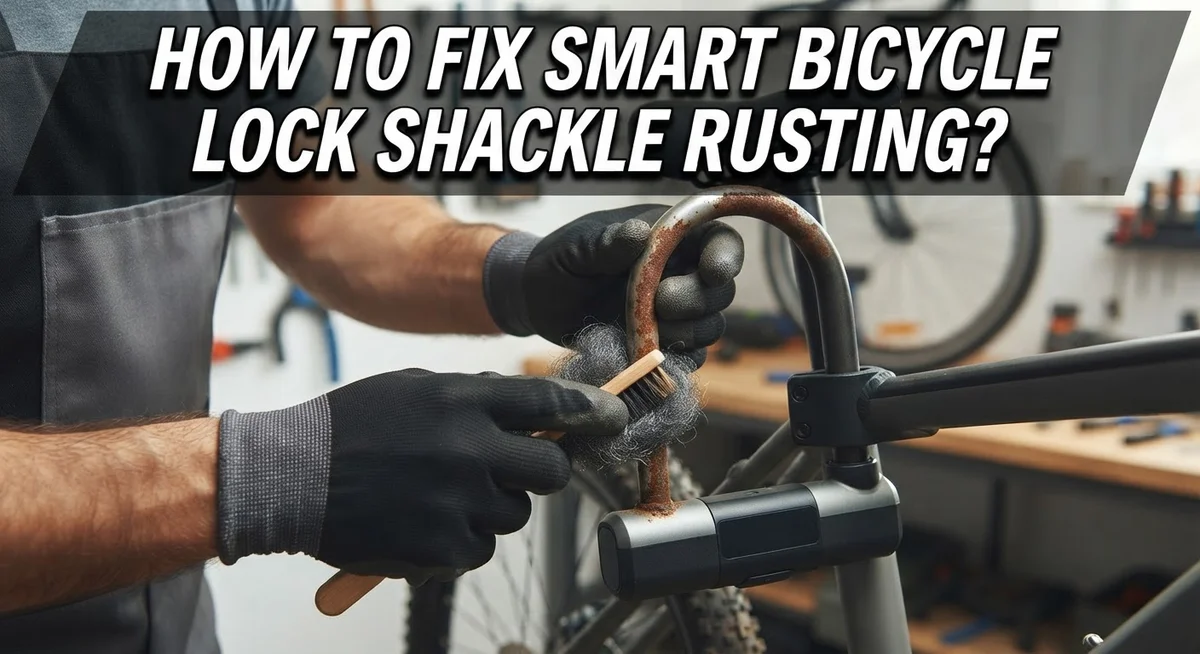
How To Fix Smart Bicycle Lock Shackle Rusting?
Does your smart bicycle lock shackle look rusty and feel stuck? You are not alone.
Rust forms on lock shackles when moisture, dirt, and debris build up over time. This buildup causes jamming and can even lead to mechanism failure.
The good news? You can fix this problem yourself. No special skills needed.
In a Nutshell
- Clean first, lubricate second. Wipe the shackle with a rag. Use a degreaser spray if you see heavy grime or corrosion.
- Apply a lubricant spray with three to four sprays. Let it sit for a few seconds before you try the lock.
- Use a spray straw for precise application. This targets tight spots without wasting product.
- Try graphite powder as another option. Insert it into the keyhole and shake the lock to free it.
- Avoid skipping the cleaning step. Lubricant works best on a clean surface, not on top of heavy rust.
- Stick to regular maintenance. Clean your shackle often to stop rust before it starts.
Why Smart Bicycle Lock Shackles Rust
Rust forms on your smart bicycle lock shackle for several specific reasons. Moisture is the primary culprit. When water sits on metal surfaces, it triggers a chemical reaction that creates rust over time.
Dirt and debris trap moisture against the shackle. These particles stick to the metal and hold water in place. The longer moisture stays trapped, the faster rust develops.
Salt accelerates rust formation significantly. If you ride near coastal areas or roads treated with salt during winter, your lock faces extra risk. Salt breaks down the protective layer on metal much faster than plain water.
Poor ventilation around your lock allows moisture to linger. When you store your bicycle in damp garages or sheds without airflow, condensation builds up on the shackle. This creates ideal conditions for rust to spread.
Lack of regular cleaning enables corrosion to progress. Many riders ignore their locks until problems appear. Small rust spots turn into thick corrosion when left untreated.
The lock mechanism itself can trap water inside. Moisture seeps into tiny gaps between moving parts. Once inside, water sits and corrodes the internal components.
Temperature changes cause condensation. When your bike moves from cold outdoor air into a warm room, moisture forms on the metal surface. This cycle repeats daily during certain seasons.
Metal quality matters too. Lower quality shackles rust faster than premium materials. Some locks lack proper protective coatings from the factory.
Scratches and dents create weak spots. Any damage to the protective surface exposes bare metal underneath. Rust starts immediately at these vulnerable areas.
Understanding these causes helps you prevent future rust problems. You can now take action to protect your lock before serious damage occurs.
Signs Your Shackle Needs Attention
Your smart bicycle lock shackle sends you clear warning signs when rust starts developing. Learning to spot these signals early helps you stop damage before it gets worse.
Visual rust spots appear as reddish brown or orange discoloration on the metal shackle. These spots might start small and spread across the surface over time. Sometimes rust looks like a thin film coating the entire shackle. You may also notice white or gray powdery deposits forming.
Difficulty turning the key is a major red flag. Your key should slide smoothly into the lock. If you feel resistance or grinding sensations, rust buildup is restricting movement inside the mechanism. The key might stick halfway or refuse to turn all the way.
Stiffness when unlocking means the shackle or lock body resists opening. A healthy lock opens with minimal effort. When you need to push, pull, or wiggle the shackle excessively, corrosion has likely formed inside.
Visible flaking metal shows advanced rust damage. Small pieces of rust break away from the shackle surface. This indicates the corrosion has eaten through protective layers.
Strange sounds or grinding noises occur when you operate the lock. Rust particles inside create friction and noise that healthy locks do not make.
Discoloration around the keyhole signals moisture has entered the internal mechanism. Rust staining near openings means water penetrated the lock body.
Pay attention to these warning signs during your regular bike checks. Catching rust early makes cleanup much easier. A lock showing multiple signs needs immediate attention to prevent complete failure.
Step-by-Step: Cleaning the Rusted Shackle
Start by gathering what you need. Find a clean, dry rag or cloth. You’ll want a degreaser spray for heavy grime and corrosion buildup. Have your lubricant spray ready as well.
Wipe down the shackle first. Use your dry rag to remove loose dirt and debris from the entire shackle surface. Work into all the crevices where rust likes to hide. Don’t skip this step because lubricant won’t work well over heavy grime.
For stubborn corrosion, apply degreaser spray directly to the rusted areas. Let it sit for about 30 seconds. This gives the degreaser time to break down the corrosion and grime. Wipe away the loosened material with your rag.
Now apply your lubricant spray. Use three to four sprays on the shackle, focusing on the keyhole and moving parts. The lubricant works by displacing dirt and removing rust while loosening stuck mechanisms. Let it sit for a few seconds before you try operating the lock.
Use a spray straw for precise application if your lock is particularly tight or corroded. The straw helps you target exact spots without wasting product.
Work the lock gently after applying lubricant. Open and close it slowly several times. This helps the lubricant penetrate deeper into the mechanism. Don’t force anything if resistance remains.
If your key still feels stuck, apply lubricant again. Some heavily rusted locks need two or three applications before they operate smoothly.
Wipe away any excess lubricant with a clean cloth. This prevents dirt from sticking to the shackle later. Your lock should now move more freely and operate much better than before.
Applying WD-40 to Loosen and Protect the Mechanism
WD-40 is a proven solution for loosening stuck smart bicycle lock shackles. This spray works by displacing moisture and dissolving rust buildup that jams your mechanism.
Start by applying three to four sprays directly onto the shackle. Focus your application on the keyhole and any visible moving parts where rust accumulates. The spray straw attachment helps you reach tight spaces with precision.
Let the WD-40 sit for a few seconds before operating your lock. This waiting period allows the lubricant to penetrate rust deposits and loosen corrosion. You’ll notice the product working as it seeps into small crevices.
After waiting, gently turn your key back and forth. Use slow, deliberate movements rather than forcing the lock open. Repeat this process if your key still feels stuck or stiff.
The lubricant does multiple jobs at once. It removes rust particles, displaces trapped moisture, and protects metal surfaces from future corrosion. This combination action makes it highly effective for stuck locks.
Wipe away excess spray with a clean cloth once your lock operates smoothly. This step prevents dirt from sticking to the oily residue. Excess lubricant can actually attract more debris if left on the surface.
For ongoing protection, apply WD-40 every few months. Regular application prevents rust from returning and keeps your mechanism operating freely. This preventive approach saves you from dealing with severe corrosion later.
If your lock remains stuck after treatment, apply the lubricant again and wait longer. Some heavily corroded locks need multiple applications. Patience works better than force when dealing with rusted mechanisms.
Using Graphite Powder for Stuck Locks
Graphite powder offers an excellent alternative when your smart bicycle lock shackle gets stuck. This method works especially well when you have a jammed keyhole or the key refuses to turn smoothly.
Graphite powder is a dry lubricant that doesn’t attract dirt like oil based products do. It slides into tight spaces without creating a sticky mess. The powder fills microscopic gaps in the lock mechanism and reduces friction between moving parts.
Start by locating your lock’s keyhole. Insert the graphite powder applicator directly into the opening. Most graphite powder comes in a small squeeze bottle with a narrow nozzle designed for this purpose.
Gently shake or tap the applicator to release the powder into the keyhole. You want a light coating inside, not excessive amounts. A little powder goes a long way in freeing stuck mechanisms.
Now insert your key slowly into the keyhole. Turn it back and forth gently to work the graphite powder throughout the lock’s internal components. This motion distributes the lubricant and helps break apart rust buildup.
Continue turning your key until it moves more freely. You may need to repeat this process if the lock remains stiff. Apply another small amount of powder and work the key again.
The beauty of graphite powder is that it won’t congeal or harden over time like some lubricants. It remains effective for months, providing ongoing protection against rust and corrosion.
After treatment, wipe away any visible powder from the outside of your lock. Your smart bicycle lock shackle should now operate smoothly. Use this method regularly as part of your maintenance routine to keep your lock functioning properly.
Common Mistakes That Worsen Shackle Rust
Many people make mistakes that actually make their smart bicycle lock shackle rust worse instead of better. Understanding these errors helps you protect your lock properly.
Neglecting preventive cleaning is the biggest mistake. You wait until rust becomes visible before taking action. By then, corrosion has already damaged the internal mechanisms. Regular cleaning every few weeks stops rust before it starts. A quick wipe with a dry rag takes only seconds and saves you major headaches later.
Another common error is applying lubricant directly to heavy corrosion. You spray lubricant onto thick rust buildup without cleaning first. The lubricant can’t reach the metal underneath. It just sits on top of the corrosion. Always clean away dirt and loose rust with a rag or degreaser before lubricating.
Some people also use the wrong type of lubricant. Oil based products attract dust and dirt to your shackle. This dirt mixes with moisture and creates more rust. Dry lubricants work better for locks because they don’t trap particles.
Overusing lubricant creates another problem. You spray too much hoping it solves everything faster. Excess lubricant drips off and leaves sticky residue that collects debris. Three to four sprays is plenty for effective protection.
Ignoring moisture exposure is equally damaging. You leave your lock wet after rain or cleaning. Water sits on the shackle and causes rust to form quickly. Always wipe your lock dry after any water contact.
Finally, many people skip maintenance after the initial fix. You clean and lubricate once, then forget about it. Rust returns within weeks without ongoing care. Simple monthly maintenance prevents most rust problems from developing again.
Troubleshooting Persistent Jamming Issues
When your smart bicycle lock shackle keeps jamming even after initial treatment, you need a systematic approach to solve the problem. Persistent jamming usually means rust and corrosion have penetrated deeper into the lock mechanism than surface cleaning can reach.
Start by examining the shackle closely. Look for visible rust spots, discoloration, or crusty buildup around the keyhole and mechanism. If heavy corrosion exists, a single cleaning pass won’t be enough. You’ll need multiple treatment cycles over several days.
Apply a degreaser spray first to break down stubborn corrosion layers. Let it sit for 2 to 3 minutes. This gives the product time to penetrate and loosen the rust. Wipe everything away with a clean rag. Repeat this step if the corrosion is severe.
Next, use a lubricant spray with a precision straw attachment. This lets you target the exact areas causing jamming. Apply 3 to 4 sprays directly into the keyhole and around moving parts. Wait 10 to 15 seconds before testing your key. Turn it gently back and forth without forcing it.
If jamming continues, don’t force your key. This causes additional damage. Instead, repeat the entire process. Sometimes rust needs multiple treatments to fully release.
For locks that remain stuck after two treatment cycles, consider using a dry lubricant alternative. Insert it into the keyhole and work your key slowly through the lock.
Between treatments, keep your lock dry. Wipe it after rain or wet conditions. This prevents new rust from forming while you work on existing corrosion.
Preventive Maintenance to Stop Future Rusting
Preventing rust on your smart bicycle lock shackle requires consistent action. The key is stopping moisture and dirt from building up in the first place.
Start with regular cleaning schedules. Wipe down your lock shackle every two weeks with a dry cloth. This removes surface moisture that leads to corrosion. Pay special attention after rainy days or when you ride near salt water.
Store your bike in a dry location whenever possible. Garages, sheds, and covered areas work best. If you must park outdoors, use a waterproof cover over your lock. This simple step blocks rain and humidity from reaching the metal.
Apply protective coating periodically. A thin layer of lubricant creates a barrier against moisture. Do this every three to four months as part of your routine maintenance. The lubricant displaces water and prevents rust formation beneath the surface.
Keep your lock away from extreme conditions. Avoid leaving it in direct sunlight for extended periods, as temperature changes cause condensation inside the mechanism. Similarly, don’t expose it to harsh chemicals or salt spray from roads during winter.
Check your lock regularly for early signs of rust. Catch discoloration early before it develops into serious corrosion. Small rust spots are easier to treat than deep pitting.
Store your lock indoors during off seasons. If you don’t use your bike for months, keep the lock in a dry place rather than leaving it outside.
Maintain consistent habits. Quick cleaning sessions and regular lubrication prevent major rust problems. These preventive steps take minimal time but save you from dealing with stuck mechanisms later. Your lock will operate smoothly and last much longer when you prioritize protection over repair.
Final Thoughts
Rust on your smart bicycle lock shackle does not have to ruin your day. Simple cleaning and lubrication fix most problems fast.
Start with a rag and degreaser for heavy grime. Then apply a few sprays of lubricant to loosen the mechanism.
Let the lubricant sit for a few seconds. This gives it time to dissolve corrosion and work into tight spaces.
Graphite powder works well too. It never hardens or gets sticky like some other options.
Prevention matters more than repair. Clean your lock every two weeks. Store it somewhere dry when you can.
Avoid common mistakes that make rust worse. Do not skip cleaning routines or ignore moisture buildup.
Never force a jammed key. This can snap the key or damage internal parts permanently.
If jamming continues after two treatment cycles, try a different approach. Switch between wet lubricants and dry powder options.
Consistency beats occasional deep cleaning. Small habits protect your lock better than rare intensive fixes.
Check your shackle regularly for early rust signs. Catching problems early saves you time and frustration later.
Keep your bike away from extreme weather when possible. Rain and humidity speed up corrosion significantly.
A thin protective coating helps too. This creates a barrier against moisture and dirt.
Your smart bicycle lock deserves basic care. It protects your bike every single day.
Quick fixes work when problems are small. Bigger corrosion issues need more patience and repeated treatment.
Follow these steps and your lock shackle stays smooth. You will avoid jamming and rust related failures.
Remember that maintenance never stops. Regular attention keeps your lock working reliably for years.
Your effort now prevents bigger headaches later. A little care goes a long way toward lock longevity.
Frequently Asked Questions
What causes smart bicycle lock shackles to rust in the first place?
Rust forms when moisture and dirt combine on metal surfaces. Your shackle attracts water from rain, humidity, and sweat. Debris gets trapped inside the lock mechanism. Salt from roads speeds up corrosion. Metal reacts with oxygen and moisture, creating rust. This buildup jams your lock and prevents it from opening smoothly.
Can I use WD-40 on a smart lock without damaging the electronics?
Yes, WD-40 is safe for smart locks when applied correctly. Spray it on the shackle, not the electronic keypad or sensor areas. Use the precision straw attachment for accurate placement. Let the liquid sit for a few seconds before operating your lock. The spray displaces moisture and loosens rust without harming circuits or batteries.
How often should I clean my lock shackle to prevent rust?
Clean your shackle every two weeks with a dry cloth. Wipe away visible dirt and moisture immediately after riding in wet conditions. This simple habit stops rust before it starts. Regular cleaning takes just a minute but saves you from stuck locks later.
What should I do if my key gets stuck in a rusted lock?
Don’t force the key, as this breaks it inside. Apply a lubricant spray or graphite powder to the keyhole. Let it sit for seconds to penetrate the corrosion. Gently wiggle the key back and forth. Most stuck keys come free with patience and the right lubricant.
Is graphite powder better than spray lubricant for rust removal?
Both work well for different situations. Spray lubricant handles heavy corrosion quickly. Graphite powder works best for stuck keys and dry environments. Try spray first for general rust. Switch to graphite powder if your lock stays in dry storage.

Hello, i’m Ivoria i am the face behind Tech Tracker Blog. I am passionate about my work and love to explore gadgets and share about my experience.