How To Fix Smart Air Fryer Convection Fan Blade Bending?
Does your smart air fryer make a strange rattling noise? That sound often means one thing. Your convection fan blade has bent out of shape.
This small part plays a huge role in cooking your food evenly. When it bends, hot air stops flowing the way it should. Your fries turn soggy. Your chicken cooks unevenly. Nobody wants that.
The good news? You can often fix this problem yourself at home. You don’t need to be an expert to solve it.
In a Nutshell
- Turn off the power first. Always unplug your air fryer before you touch the fan. This keeps you safe during the repair.
- Clean the fan area well. Dust and food crumbs often cause blades to stick or rattle. A soft brush or compressed air works great here.
- Check every screw and nut. Loose fasteners are the most common reason blades bend or shake. Tighten them with a small screwdriver.
- Gently realign the blade. If the metal blade looks bent, carefully bend it back. Aim for even spacing between each blade.
- Test the fan before cooking. Plug it in and listen for smooth, quiet spinning. No rattling means you fixed it right.
- Make maintenance a habit. Check your fan blades every few months. This simple step stops future bending and keeps your air fryer running well.
Signs Your Convection Fan Blade Is Bent or Damaged
Your smart air fryer tells you when something is wrong. The fan blade sends clear signals before it fails completely.
Listen for unusual sounds first. A rattling or grinding noise means the blade is loose or bent. This sound gets louder each time you use the air fryer. Stop cooking immediately when you hear it.
Look for visible damage. Open your air fryer and inspect the fan blade directly. Bent blades look crooked compared to their original shape. Some blades have a slight curve or angle that appears wrong. Metal blades may show creases or dents on the surface.
Check if the blade moves freely. Spin the fan by hand (with power off). A healthy blade rotates smoothly without wobbling. If it catches or sticks, something is blocking it or the blade itself is damaged.
Feel for vibration during operation. Plug in your air fryer and turn it on without food inside. Excessive vibration means the blade is unbalanced. Your hand should feel minimal movement when you touch the outside housing.
Examine the blade position. The blade should sit centered in its housing. Misaligned blades may touch the walls or obstruct airflow. Look for any gaps that seem too wide on one side.
Spot food buildup around the blade. Grease and crumbs can make a blade seem bent when it’s actually just stuck. Clean the area thoroughly before assuming damage exists.
Watch for reduced cooking performance. Food cooks unevenly when airflow decreases. Hot spots and cold spots on your meal indicate fan problems.
These signs appear gradually. Catching them early prevents complete fan failure and keeps your air fryer working properly for years.
What Causes Fan Blade Bending in Smart Air Fryers
Your smart air fryer’s convection fan blade can bend for several reasons. Understanding these causes helps you prevent future damage and fix current problems.
Loose fasteners are the top culprit. The nuts, screws, and washers holding your fan blade in place can gradually loosen over time. Vibration from normal operation causes these fasteners to work free. When they loosen, the blade shifts out of alignment and starts to bend.
Debris accumulation also damages fan blades. Food particles, grease, and dust collect around the fan housing. This buildup makes the blade stick or rub against the housing walls. The friction causes the blade to bend inward or outward.
Impact and contact damage happens during cleaning or maintenance. If you accidentally bump the blade while cleaning, it can bend. Forcing the blade to spin when debris blocks it also causes bending.
Normal wear and tear affects older units. Metal blades weaken after months of constant spinning. The repeated stress makes them more prone to bending, especially if fasteners are already loose.
Manufacturing defects occasionally occur. Some blades arrive slightly misaligned from the factory. Poor quality materials can also lead to premature bending.
Overuse without maintenance speeds up blade damage. If you run your air fryer daily without cleaning the fan area, debris builds up faster. Loose fasteners go unnoticed longer. Both factors combine to create bent blades.
Temperature stress can play a role too. Extreme heat cycles cause metal to expand and contract. Over time, this thermal stress weakens the blade structure and makes bending more likely.
Regular inspections catch these issues early before serious damage occurs.
Safety Precautions Before You Begin Repairs
Before you start any repair work on your smart air fryer’s convection fan blade, safety must come first. Taking the right steps protects you from injury and prevents damage to your appliance.
Unplug your air fryer completely from the electrical outlet. Never work on electrical appliances while they are plugged in. Wait at least five minutes after unplugging to allow any residual electrical charge to dissipate. This simple step prevents electric shock.
Let the air fryer cool down completely. The fan blade area gets hot during normal operation. Touching hot metal can cause burns. If you just used your air fryer, wait at least 30 to 45 minutes before starting repairs.
Wear protective gloves during the repair process. Metal fan blades have sharp edges that can cut your hands. Cotton or nitrile gloves provide adequate protection while allowing you to grip tools and components properly.
Clear your work area of clutter. Place your air fryer on a flat, stable surface. Remove small screws and fasteners to a container so you don’t lose them. Good lighting helps you see exactly what you’re doing.
Check that the fan blade is not spinning. With the power off, manually spin the blade gently. If it spins freely without resistance, you can proceed safely. If the blade feels stuck or locked, stop and investigate further before continuing.
Have a flashlight or work lamp ready. The fan housing area is often dark. Good visibility lets you spot bent blades, loose screws, and debris buildup accurately.
Keep a small brush and cloth nearby. You’ll need these tools to clean the fan area during your inspection and repair work.
Step-by-Step Guide to Fixing a Bent Fan Blade
Start by unplugging your air fryer from the wall outlet. This is the most important safety step. Wait at least 30 minutes for the unit to cool completely before touching any parts.
Next, locate the fan blade assembly. Most smart air fryers have the fan housed in the top or back section. Open the access panel carefully and look for the blade mounting area.
Examine all fasteners around the fan housing. You’ll typically find screws, nuts, and washers holding everything in place. Use the appropriate screwdriver or wrench to tighten each one. Start with the screws on the fan housing itself, then move to the nut and washer that hold the blade to its center shaft.
Turn the fasteners clockwise until snug. Don’t over tighten, as this can strip threads or crack plastic components. A firm, secure connection is what you want.
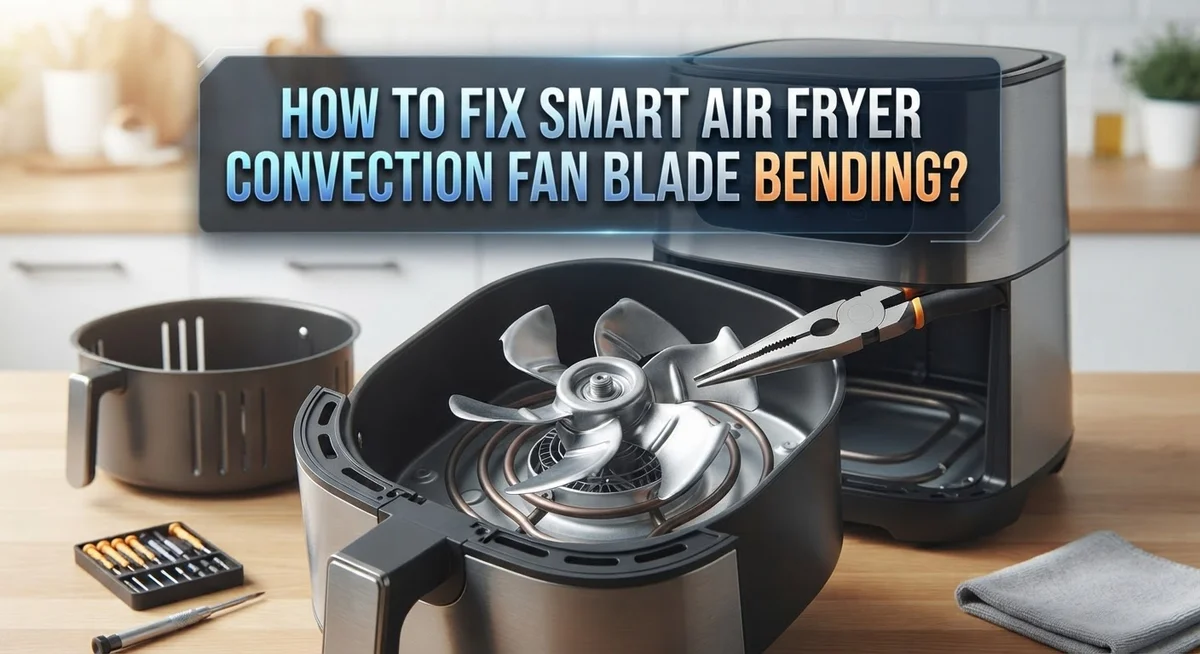
Now inspect the blade itself for visible bending. If the metal blade appears warped, you can carefully adjust it by hand. Gently bend it back to its original flat position. The blade should sit perfectly centered in its housing with no rubbing against the walls.
Clean the entire fan area with a soft brush or compressed air. Remove dust, grease, and food particles that might affect blade movement. These deposits can make a blade appear bent when it’s simply stuck.
Finally, manually spin the blade with your finger. It should rotate freely without resistance or wobbling. If it still feels tight or makes noise, recheck all fasteners and blade alignment.
Plug your air fryer back in and run it empty for two minutes. Listen for unusual sounds. The fan should operate quietly and smoothly.
Tightening Fasteners and Securing the Fan Housing
Tightening fasteners keeps your fan blade secure and prevents further damage. Start by locating all screws around the fan housing. These fasteners often loosen from vibration during normal operation.
Use the correct screwdriver size for each screw. A screwdriver that doesn’t fit properly can strip the head and make tightening impossible. Turn each screw clockwise until it feels snug, but don’t over tighten. Excessive force can crack the plastic housing.
Pay special attention to the nut and washer holding the blade in place. This is the most critical fastener. The blade attaches to a central shaft, and this connection must be rock solid. Gently hold the blade steady with one hand while you tighten with the other.
Check fasteners in a circular pattern around the fan housing. Work from top to bottom so you don’t miss any. Some units have fasteners on the sides and bottom that are easy to overlook.
After tightening all screws, gently spin the fan blade by hand. It should rotate smoothly without any wobbling or grinding sounds. Listen carefully for any unusual noises.
Secure the entire fan housing to the air fryer body. Look for additional mounting bolts that hold the fan assembly in place. These bolts support the fan during operation and prevent vibration.
Once everything is tight, visually inspect the blade again. Make sure it’s centered in the housing with equal spacing on all sides. An off center blade indicates misalignment that needs correction.
Test your work by plugging in the unit and running it on low heat for one minute. The fan should spin quietly without rattling. If you hear noise, unplug immediately and recheck all fasteners.
Tips for Maintaining Proper Airflow Long-Term
Keeping your air fryer’s convection fan running smoothly requires simple, consistent actions. Regular maintenance stops most blade problems before they start.
Check your fan fasteners every two weeks. Vibration from normal cooking loosens screws and nuts over time. Use the correct screwdriver to tighten each one gently. Do not over tighten, as this can strip threads and cause damage.
Clean around the fan housing weekly with a soft brush. Food particles and grease build up in this area and restrict airflow. Compressed air works well for removing dust from tight spaces. A clean fan moves air more efficiently and runs cooler.
Inspect the blade itself during each cleaning session. Look for visible bending, cracks, or discoloration. Catching damage early prevents complete fan failure. Gently spin the blade by hand with the power off to check for resistance or grinding sounds.
Keep your air fryer in a stable location away from vibration sources. Placing it on an uneven surface causes extra stress on the fan motor. Avoid moving your unit frequently, as this jarring can loosen internal components.
Monitor cooking temperatures and do not exceed recommended settings. Excessive heat stresses the fan motor and accelerates wear on the blade assembly.
Listen for unusual noises during operation. A smooth hum means your fan works properly. Rattling, grinding, or squeaking sounds indicate potential problems requiring immediate inspection.
Document your maintenance schedule on a calendar. This reminder system helps you stay consistent. Consistent care extends your fan’s lifespan significantly and maintains optimal cooking performance throughout your air fryer’s life.
Common Mistakes to Avoid During the Repair
Avoiding common mistakes during your repair saves time and prevents further damage to your air fryer. The most critical error is ignoring rattling noises coming from your unit. These sounds signal that your blade is already loose or bent. Continuing to use your air fryer with active blade problems only makes the damage worse.
Never attempt repairs while your unit is plugged in. Even if you think the power is off, electrical current can still flow through the device. Always unplug your air fryer from the wall outlet before touching any internal components.
Another frequent mistake is using the wrong tools for your repair work. Grabbing any screwdriver that fits the screw head can strip the fastener. This makes future repairs much harder. Take time to find the correct size tool before you start tightening anything.
Many people forget to check all fasteners in the fan housing area. They tighten only the visible screws and miss the ones hidden beneath the blade or behind the housing cover. Inspect every fastener methodically to ensure nothing stays loose.
Rushing through the realignment process causes problems too. Forcing a bent blade back into position too quickly can crack it completely. Work slowly and gently when adjusting blade angles.
Finally, avoid skipping the test run after your repair. Many people reassemble everything and assume the job is complete. Running your air fryer empty for a few minutes confirms that your blade spins freely and the noise has stopped. This simple step catches any remaining issues before you cook your next meal.
Troubleshooting Persistent Rattling or Airflow Issues
A rattling or whistling sound from your smart air fryer signals that something is wrong with the convection fan. This noise usually means the blade is bent, loose, or partially detached. Stop using your air fryer immediately when you hear these sounds, as continued operation can cause more damage.
The first step is identifying where the rattle comes from. Turn off your unit and let it cool completely. Listen carefully near the fan housing to pinpoint the noise source. A rattling that gets louder during operation typically indicates a loose blade or fastener.
Reduced airflow is another sign of fan blade problems. Your food may cook unevenly or take longer than normal. You might notice cold spots on your cooked items or inconsistent browning. This happens because bent blades cannot push air efficiently through the cooking chamber.
Loose fasteners around the fan housing create vibrations that produce rattling sounds. Screws, nuts, and washers can gradually loosen from the heat and vibration during normal cooking. Even a single loose fastener causes the entire fan assembly to shake.
Check if debris has accumulated around the fan area. Food particles, grease splatter, or dust can get lodged near the blade and create noise during rotation. This debris also restricts airflow and forces the fan to work harder.
Don’t ignore these warning signs. Persistent rattling indicates active damage that worsens over time. Operating with a bent blade increases strain on the motor and reduces your air fryer’s lifespan. A quick inspection now prevents expensive repairs later and keeps your unit running safely and efficiently for years to come.
Final Thoughts
Fixing a bent convection fan blade is a task you can handle at home. You just need patience and the right approach.
Start with power safety first. Always unplug your air fryer before touching any internal parts. This simple step protects you from harm.
Small problems become big problems when ignored. A slightly bent blade today can turn into a broken fan tomorrow. Address issues as soon as you notice them.
Regular checks make a real difference. Fasteners loosen over time due to normal vibration. Catching this early stops rattling before it starts.
Your air fryer works hard every time you cook. Give it a little attention in return. This keeps your appliance running for years.
Realigning bent blades takes a steady hand. Go slow and check your work often. Small adjustments matter more than forceful movements.
Remember that airflow affects your food quality directly. A properly working fan cooks food evenly. Crispy results depend on smooth air circulation.
Don’t skip the testing phase after any repair. Running your unit briefly confirms the fix worked. This step saves you from repeating the same problem.
Think of maintenance as an ongoing habit rather than a one time fix. Consistent care prevents most fan issues completely. Your effort now means fewer headaches later.
Trust your senses during operation. Unusual sounds or smells signal something needs attention. Never ignore these warning signs from your appliance.
Simple tools and basic knowledge solve most fan blade problems. You don’t need special training to keep your air fryer healthy. Just stay observant and act quickly when issues appear.
With proper care, your smart air fryer will serve you reliably. A well maintained fan means better cooking results every single time.
Frequently Asked Questions
What causes a convection fan blade to bend in the first place?
Fan blades bend due to several common reasons. Loose fasteners allow the blade to move during operation, causing it to hit the housing. Debris like food particles or grease buildup can jam the blade and force it out of alignment. Normal wear and tear also weakens the blade over time. Impact from dropping your air fryer or bumping it during cleaning causes immediate bending.
Heat exposure combined with vibration gradually warps metal blades. If your unit vibrates excessively during use, the blade receives constant stress that leads to bending.
How do I know if my fan blade is actually bent?
Listen for a rattling or clicking sound during operation. This noise usually means the blade touches the housing or is loose. Visually inspect the blade by looking through the air fryer’s vents or opening the access panel if your model allows it.
A bent blade appears curved or twisted compared to its original shape. You may also notice reduced airflow. Your food takes longer to cook or cooks unevenly when the blade cannot circulate air properly.
Can I straighten a bent blade myself or do I need replacement?
Minor bends can sometimes be carefully straightened. You must power off and unplug your unit first. Use gentle pressure to adjust the blade angle back to its original position.
However, severely bent or cracked blades need replacement. Attempting to straighten a badly damaged blade risks breaking it completely. If you feel uncertain about the damage level, replacement is the safer choice.
How often should I check my fan blade for problems?
Check your fan blade monthly during routine cleaning. Look for debris buildup around the fan housing. Tighten all visible screws and fasteners quarterly.
If you use your air fryer daily, inspect it every two weeks. Listen carefully for new sounds during each use. Early detection prevents small issues from becoming expensive repairs.

Hello, i’m Ivoria i am the face behind Tech Tracker Blog. I am passionate about my work and love to explore gadgets and share about my experience.