Lucyd Armor Safety Glasses Review 2026: ANSI-Rated Smart Eyewear
Are you looking for safety glasses that do more than protect your eyes? Many workers and hobbyists want gear that keeps up with their day. The Lucyd Armor Safety Glasses aim to do just that.
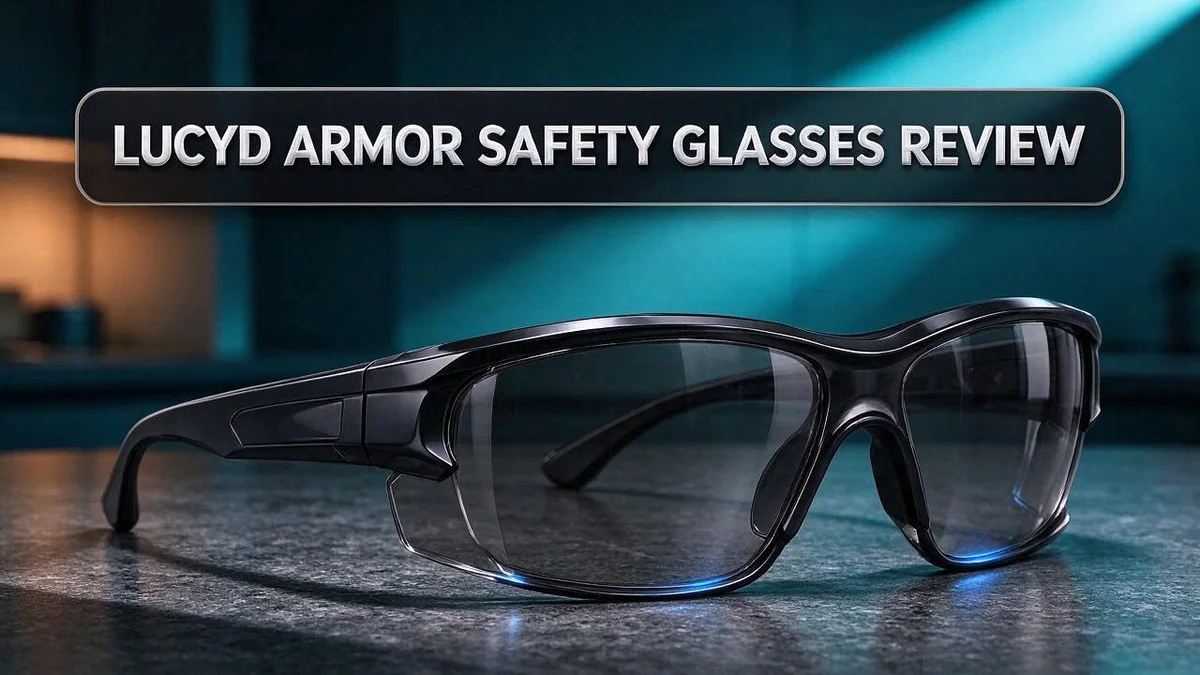
These glasses carry an ANSI Z87.1 impact rating for real protection. They also include open ear speakers and Bluetooth.
You can take calls, play music, or talk to voice assistants without touching your phone. The wraparound design includes vents for airflow and offers UV protection. Users often say the fit feels comfortable.
Still, no product is perfect. Some earlier models had annoying vibration, and a few reviewers noticed quirks. In this review, we look at what works, what does not, and whether these glasses suit your needs.
In a Nutshell
-
Lenses that adapt: The clear lenses are photochromic and polarized. They darken in bright sunlight and cut down on glare. This helps during long days outdoors.
-
Prescription friendly: You can add your own prescription lenses. Some buyers have trouble finding a shop nearby, so plan ahead.
-
Voice assistant support: Siri, Alexa, Google Home, and ChatGPT all work with the frames. You can ask questions while your hands stay on your work.
-
Comfortable fit: Many wearers say the frames sit well on the face. Music also sounds full, thanks to good bass response.
-
Stay aware of your surroundings: The open ear speakers let you hear what happens around you. One reviewer says wearers still feel aware of their environment.
-
Watch for vibration: Earlier models produced vibration that bothered some people during extended use. A reviewer also mentioned frustrating quirks, so test the fit and sound before you rely on them all day.
Safety Certification and Impact Protection

Last update on 2026-11-17 / Affiliate links / Images from Amazon Product Advertising API Some of the links on this website are affiliate links, which means that at no additional cost to you, I earn a commission if you click through and make a purchase. I only recommend products and services that I believe will add value to my readers. Thank you for your support!
Safety glasses only work when they pass a clear test. The standard here is ANSI Z87.1, which sets rules for impact. Impact testing checks whether a lens survives a falling object. Testers also fire small projectiles at the lens surface. A pair must pass these tests before it earns the mark.
The wraparound shape adds another layer of defense. It covers more of your eyes from the sides and top. Dust, sawdust, and splashes have fewer ways to reach your face.
Vents along the frame help airflow inside the lenses. Better airflow reduces fogging when you work hard. Fog can happen quickly in warm, humid rooms.
Clear vision matters just as much as impact resistance.
The lenses also block harmful UV rays from sunlight. This helps anyone who works for hours outdoors. Roofers, landscapers, and drivers often spend long days in bright light. UV protection also helps during long drives.
Speakers and microphones sit in the arms, so the frame stays slim. Protection does not require giving up everyday comfort. Lightweight frames reduce pressure on the nose and ears.
Inspect your glasses before every shift. Look for scratches, cracks, or loose hinges. Damage can weaken protection and blur your sight. Keep a spare pair ready for busy projects.
Prescription wearers should confirm custom lenses still meet the standard. Ask your lab or shop to check the impact rating. Safety rules at work may also require specific ratings. Ask your supervisor which ratings your job needs.
Matching your gear to the task keeps you safer. Replacing worn gear is a smart habit. Your eyes deserve gear that you trust completely. Good protection starts with the right gear worn every day.
Open-Ear Audio and Music Quality
Music fans want sound that feels full without blocking the world around them. The Lucyd Armor aims to deliver both. Its open ear design keeps your ears free while your favorite songs play.
Bass response is a clear highlight. Listeners often notice deeper low tones than they expect from such a slim frame. This adds energy to workout tracks and upbeat playlists.
Because the speakers sit near your ears, you skip earbuds entirely. Your ear canals stay open, which many people find more comfortable during long shifts or walks.
Volume matters more with open audio. Sound spreads outward, so people nearby may hear your music at higher levels. Keep the volume at a moderate setting in shared spaces, such as offices or jobsites.
Calls sound different too. The noise canceling microphone works to pick up your voice while cutting background noise. This helps when you talk on a busy street or near running machinery.
Playlist choice shapes the experience. Songs with strong bass and steady beats often sound their best. Podcasts and audiobooks also suit routine tasks.
Setup makes a difference. Pair the glasses with your phone before you start, then set the volume. Test the sound in the place where you plan to wear them most.
Not every review praises the audio equally. One reviewer rated the glasses 7.2 out of 10 and cited frustrating quirks. Read a few reviews and decide which trade offs you accept.
Good audio should never replace awareness on a job site. Pause your music when you need full focus on your surroundings. A quick pause keeps safety first.
Overall, the Lucyd Armor offers a useful mix of sound and convenience. Music lovers who value bass and hands free calls will likely appreciate it most. Keep your expectations realistic, though, since open audio never matches sealed headphones.
Voice Assistant and Hands-Free Calling
Setting up your voice assistant takes only a few minutes. Pair the frames with your phone, then test one simple command before your shift starts.
Short commands work best. Try “call my supervisor” or “set a timer for ten minutes.” Short phrases leave less room for misunderstanding.
Noisy work sites can make voice commands tricky. Step away from loud machines when you speak. Your voice reaches the microphone more clearly that way.
Clear speech helps the most. Speak at a steady pace and pause between requests. The assistant responds faster when it hears one request at a time.
Mid task questions become easier to ask. You can check a measurement, look up a part number, or set a reminder without putting down your tools.
Privacy matters too. Nearby coworkers may hear your replies. Save sensitive calls for a quiet moment, or ask the assistant to keep its answers short.
Voice alerts can keep you on schedule. Set reminders for breaks, meetings, or check ins. The assistant speaks each one aloud, so you rarely miss a deadline.
Group calls need a little extra care. Say your name before you speak. Others on the call will know who is talking, even if they cannot see you.
Practice before you rely on it. Try a test call with a friend or coworker. Ask them how you sound, then adjust your position if needed.
Each assistant uses its own wake word and command style. Spend a few minutes with the one you prefer so you know exactly what it understands.
Top 3 Alternatives
Uvex Stealthspec


Last update on 2026-11-19 / Affiliate links / Images from Amazon Product Advertising API Some of the links on this website are affiliate links, which means that at no additional cost to you, I earn a commission if you click through and make a purchase. I only recommend products and services that I believe will add value to my readers. Thank you for your support!
Want a light pair of safety glasses? The Uvex Stealthspec is a strong pick. Its slim, low-profile frame feels comfortable all day. The lenses guard your eyes from flying debris and meet the ANSI Z87.1 impact standard. Some versions include an anti-fog coating, which helps when you move from cold air into warm rooms.
Crossfire Safety Glasses

Last update on 2026-11-19 / Affiliate links / Images from Amazon Product Advertising API Some of the links on this website are affiliate links, which means that at no additional cost to you, I earn a commission if you click through and make a purchase. I only recommend products and services that I believe will add value to my readers. Thank you for your support!
The Crossfire Safety Glasses offer a wraparound fit. The curved lenses block dust and splashes from the side. The frame feels sturdy but stays light on your nose. Scratch-resistant coatings help the lenses last longer on busy job sites.
Wiley X Saint

Last update on 2026-11-19 / Affiliate links / Images from Amazon Product Advertising API Some of the links on this website are affiliate links, which means that at no additional cost to you, I earn a commission if you click through and make a purchase. I only recommend products and services that I believe will add value to my readers. Thank you for your support!
The Wiley X Saint suits active workers who move a lot. Its lenses offer strong impact protection and clear vision. Many versions come with tinted or polarized lenses for bright days. A soft rubber nose piece keeps the glasses from slipping during long shifts.
Lens Options and Prescription Fit
Lens choice shapes how well you see your work each day. Lucyd Armor includes photochromic and polarized clear lenses, so you can pick the style that fits your light.
Photochromic lenses darken in bright sunlight and lighten indoors. This helps when you move between a sunny yard and a dim warehouse.
Polarized lenses cut glare from wet roads, water, and shiny metal. Many workers spot hazards faster when glare drops.
The frame is Rx ready, which means it can hold prescription lenses. Start by gathering your current prescription and your pupillary distance.
Your pupillary distance is the space between your pupils. Many people forget this number, but opticians need it for accurate lenses.
Finding a lab can take some effort. One buyer could not locate a local shop that would add prescription lenses to this frame. Call ahead and ask about this before you order.
Ask your optician to fit the lenses into the frame. They can check how the lens height sits against your eyes. A frame that sits too low may block the reading area of bifocals.
Tint choice matters for night shifts. Dark lenses can make dim areas harder to read. If you work after dark, ask for a clear option or a light tint.
Test your vision right after setup. Walk around the room and look for blur or distortion near the edges. Report any problem to your shop quickly.
Take your time with the first few days. Your eyes may need a short adjustment period with new lenses. Small changes can make a big difference in comfort.
Try the glasses on before a long shift. Notice how the lens tint looks in your normal work lighting. Bring that feedback to your optician.
Plan ahead if you rely on these glasses every shift. A lab visit can take several days, so order before your current pair gets scratched.
Comfort, Vents, and Long-Wear Vibration
Comfort decides whether safety glasses stay on your face or end up in your pocket. A frame that feels fine for ten minutes can feel heavy by lunch. The Lucyd Armor earns good marks for fit, and many wearers say it sits well on the face.
The wraparound shape covers your eyes from the side. This helps block dust, debris, and splashes. Because the frame sits close to your face, check how it feels at the temples before you commit to a full shift.
Vents keep air moving behind the lenses. Warm air builds up during physical work, and vents let that heat escape. Vents also help reduce fogging when you move from a cold room into a warm one.
Vent placement matters, though. Airflow can feel limited if you wear a face mask or a hard hat. Test the glasses with your usual gear so you know how they behave on the job.
Vibration is the main concern for long wear. Earlier models produced a buzzing feel that some users found annoying during extended use. Constant vibration can cause headaches and distraction, which makes it hard to focus on your tasks.
Newer designs may handle this better, but you should still check. Put the glasses on and wear them for an hour. Notice whether you feel a steady hum near your temples. Listen for small rattles when you walk, bend, or look down.
Weight and pressure add up over time. Lighter frames usually feel better after several hours. Look for even pressure on the nose bridge and behind the ears. Sore spots often appear after a long day, so adjust the arms if needed.
One reviewer rated the overall experience at 7.2 out of 10 and mentioned frustrating quirks. Small details like these can change your daily experience, so pay attention to them.
A quick comfort test helps you decide. Wear the glasses while you move, bend, and talk. If the frame slides down or pinches your head, look for a better fit. Comfort should feel steady from the start of your shift to the end.
Pros and Cons
Pros
- Take calls and play music without touching your phone.
- Voice AI works hands free for quick questions and tasks.
- Good bass response makes music sound full.
- Many wearers say the frame fits well on the face.
- A 5 out of 5 user review says wearers stay aware of their surroundings.
Cons
- One reviewer gave it 7.2 out of 10.
- The same reviewer pointed out frustrating quirks in daily use.
- Smart glasses from Meta are a strong rival to compare before you choose.
Who Should Buy It
Lucyd Armor suits people who need eye protection and hands free help at the same time. Think of electricians, mechanics, lab staff, and warehouse crews. They already wear safety glasses, so a built in assistant feels like a natural upgrade.
Field workers who juggle many tasks often gain the most. A site supervisor can take a call while checking plans. A technician can ask a quick question without stopping the job to dig out a phone.
Safety managers who outfit crews may see a benefit in one pair that does two jobs. Fewer gadgets mean fewer things to carry. Staff can focus on the task at hand.
Home workshop fans also fit the profile. Woodworkers, metal hobbyists, and weekend builders often need impact protection. They can also ask a voice assistant for timers or measurements while their hands stay busy.
Commuters and casual users should think more carefully. These glasses target work sites, not everyday style. If you want glasses for a night out, look at lighter designs first.
Students in science labs might like the setup too. Quick questions can get fast answers during experiments. Always check your school rules first.
Long shift workers who wear glasses for many hours should test comfort early. Try them on for a full hour if possible. Notice any pressure on your nose and temples.
Buyers who expect perfect tech may feel let down. Daily use can bring small hiccups. Patient users who like tweaking settings usually adapt faster.
In short, pick these if your job demands protection and your hands stay busy. Skip them if you want casual eyewear or flawless tech. Compare your daily routine before you decide.
Final Verdict
Lucyd Armor earns a solid place on the job site. It gives you impact protection and voice tools in one frame. That combination saves time for many workers.
The overall picture is positive but not flawless. Reviewers praise the sound and the hands free features. They also raise concerns about comfort and a few quirks.
Think of it as a tool, not a toy. Smart features only help when the protection stays reliable. Lucyd Armor shines when your hands stay busy and your eyes need cover.
Before you commit, test the fit for at least one full shift. Ask yourself whether the vibration bothers you. Wear the glasses with your usual hat, helmet, or earmuffs too.
Plan your prescription early. One user struggled to find a shop for prescription lenses. Call local optical labs before you buy and ask whether they handle Rx inserts for this frame.
Expect some learning time. Voice commands take a few tries to feel natural. Speaking clearly and keeping the mic clean helps a lot.
Who should say yes? Trades workers, safety managers, and home workshop fans will likely find value. Students and casual users may find the features less useful.
Meta Ray-Bans are the main rival to check. They focus more on style and everyday wear. Lucyd Armor focuses on safety and work use.
Who should skip them? People who want simple eyewear for light use should look elsewhere. Buyers who expect flawless tech every day may feel let down.
Match the glasses to your daily tasks. A welder and a lab student need different features. Choose based on your real work, not on hype.
Final thought: if your job needs protection and your hands stay busy, this pair deserves a close look. Give it a fair trial, and you will know quickly if it fits your daily routine.
Frequently Asked Questions
Can you use Lucyd Armor with voice assistants?
Yes. The glasses work with Siri, Alexa, Google Home, and ChatGPT. You can ask quick questions without pulling out your phone. Your hands stay free for the job.
Does the microphone work well in noisy spaces?
The mic uses noise canceling to help your voice come through on calls. Test a call in your own workspace first. That way you know how it sounds before you rely on it.
Do the lenses handle bright light?
Yes. The clear lenses are photochromic and polarized. They help reduce glare and adjust to changing light outdoors.
Are there comfort issues to watch for?
Some earlier models had vibration that bothered wearers during long use. Check comfort during a full shift before you wear them all day.
How does Lucyd Armor compare to other options?
Lucyd Lite is a sibling line, not a rival. Meta Ray-Bans are the main outside competitor to compare. Lucyd Armor stands out for its protective design built for job sites.

Hello, i’m Ivoria i am the face behind Tech Tracker Blog. I am passionate about my work and love to explore gadgets and share about my experience.